
Appeals and post-conviction

Federal appeals and post-conviction defense — understand your options after conviction.

This resource covers Ninth Circuit appeals, §2255 habeas practice, sentencing appeals, and compassionate release. Written for defendants and families navigating the federal appellate system after conviction.

2255 relief Direct appeal Compassionate release Record review
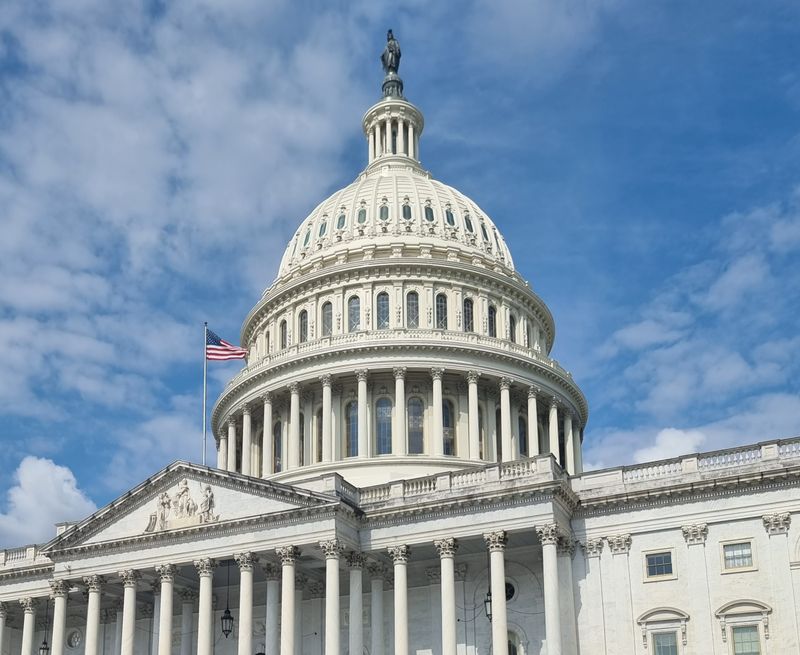
Federal courthouse and appellate law imagery
Appeal timeline visual

Appeal Timeline

Notice of appeal must be filed within 14 days of judgment. The trial record is certified within 40 days. Opening briefs follow a strict scheduling order set by the circuit clerk — missing any deadline forfeits your right to review.

Post-conviction review visual

Post-Conviction Review

Federal prisoners can challenge their conviction or sentence through a 28 U.S.C. §2255 motion in the sentencing court, or a habeas corpus petition under 28 U.S.C. §2241 in limited circumstances. Strict procedural bars apply — claims must be raised within one year of final judgment.

Sentencing and compassionate release visual

Sentencing Relief

Compassionate release under 18 U.S.C. §3582(c)(1)(A) allows defendants to seek sentence reduction for extraordinary circumstances, including terminal illness, advanced age, or family caregiver needs. The First Step Act removed the requirement that only the BOP director could file — defendants may now petition the court directly after exhausting administrative remedies.

Federal Appeals Defense — Why It Matters

Federal appellate practice is a specialized discipline with rules and standards that differ substantially from trial-level litigation. The Ninth Circuit alone receives over 10,000 appeals annually, and fewer than 10% result in reversal. Choosing an attorney who understands the Federal Rules of Appellate Procedure, circuit-specific local rules, and the standard of review applicable to each issue is the single most important decision you will make after conviction.

Federal criminal appeals and post-conviction relief

A federal criminal appeal is not a second trial — it is a focused legal challenge to errors that occurred during the investigation, trial, or sentencing. Success requires identifying and preserving the strongest appellate issues.

Building an effective federal criminal appeal

Federal appellate practice requires different skills than trial work. The written brief is the centerpiece, and oral argument — when granted — is a focused dialogue with the judges, not a jury presentation.

Federal Criminal Defense — All Practice Areas

Federal criminal defense resources across the full spectrum of federal criminal charges.

Federal Criminal Defense — Every Federal Charge

This defense resource covers federal appeals cases alongside a full range of federal practice areas — RICO, money laundering, wire fraud, public corruption, antitrust, crypto fraud, and federal appeals.

View All Federal Practice Areas →

Federal criminal law — analysis, updates, and defense insights

Regular dispatches on federal sentencing changes, circuit court decisions, DOJ enforcement priorities, and defense strategy.

Update

How the International Prisoner Transfer Program Works for Federal Inmates | Orchestra Legal

Federal prosecutors must consider the International Prisoner Transfer Program (ITP) when dealing with foreign nationals convicted in the United States. Establis

September 14, 2026
Update

Federal Treaty Transfer of Sentenced Persons 18 USC 4100 Eligibility | Orchestra Legal

The Treaty Transfer of Sentenced Persons under 18 U.S.C. § 4100 provides a unique avenue for relief for individuals serving time in federal custody. This legal

September 14, 2026
Title: Navigating Federal Criminal Appeals in the Ninth Circuit | Federal Appeals Resource
Analysis

Title: Navigating Federal Criminal Appeals in the Ninth Circuit | Federal Appeals Resource

Title: Navigating Federal Criminal Appeals in the Ninth Circuit In the complex landscape of federal criminal appeals, the Ninth Circuit stands out due to its…

September 14, 2026
Briefing and Record Issues in Federal Appeals: A Research-Driven Analysis | Federal Appeals Resource
Analysis

Briefing and Record Issues in Federal Appeals: A Research-Driven Analysis | Federal Appeals Resource

Procedural Posture and Record Certification Federal appellate practice treats briefing and record issues as threshold matters. Under 28 U.S.C. § 1291, courts…

September 14, 2026
Update

Delegate

Delegate — Investigate and Reactivate H2BReady Pipeline for Visa Processing The federal government has trained its enforcement lens on the H-2B nonimmigrant vis

September 14, 2026
Appellate Procedure: Navigating the Federal Appeals Landscape | Federal Appeals Resource
Analysis

Appellate Procedure: Navigating the Federal Appeals Landscape | Federal Appeals Resource

Introduction Appellate procedure in the federal system is a complex and specialized area of law that significantly impacts the outcomes of legal disputes. This…

September 11, 2026

Authoritative legal information — bar associations, court records, and research tools

Curated links to official legal resources, professional organizations, and public-access legal databases.

GOOOOGLE — Bury Negative Search Results

GOOOOGLE publishes positive, controlled content across a network of authoritative domains — pushing negative search results off page one. 12,400+ clients served. 184,000 articles published. 47,300 negative results buried.

Clean Slate →
About 1,240,000 results (0.42 seconds)
GOOGLE
1 2 3 4 5 6

Ready to talk about your case?

Complete the confidential intake form and a federal defense specialist will call you back within 24 hours. Free, no obligation.

Request a Call Back →

Frequently Asked Questions

What is the deadline to file a federal appeal?

In most federal criminal cases, a notice of appeal must be filed within 14 days of the entry of judgment. In civil cases, the deadline is typically 30 days. Missing these deadlines can permanently forfeit appellate rights. Limited exceptions exist for excusable neglect or ineffective assistance of counsel, but courts apply these narrowly.

What issues can be raised on federal appeal?

Federal appeals can challenge legal errors made by the district court, including erroneous jury instructions, improper admission or exclusion of evidence, sentencing guideline miscalculations, constitutional violations, and claims of ineffective assistance of counsel. Appeals generally cannot re-litigate factual determinations made by a jury unless no reasonable jury could have reached that conclusion.

How long does a federal appeal take?

A typical federal criminal appeal takes 12 to 18 months from the filing of the notice of appeal to a decision by the circuit court. The timeline varies by circuit, case complexity, and whether oral argument is granted. The process includes briefing schedules, record preparation, optional oral argument, and the court's written opinion.

What is a §2255 habeas corpus motion?

A 28 U.S.C. §2255 motion allows a federal prisoner to challenge their conviction or sentence on constitutional grounds after the direct appeal has concluded. Common claims include ineffective assistance of counsel, prosecutorial misconduct, and newly discovered evidence. There is a one-year statute of limitations, and procedural default rules apply to claims not raised on direct appeal.

Can I appeal a federal sentence?

Yes. Both the defendant and the government can appeal a federal sentence. Common issues include incorrect guideline calculations, improper upward or downward departures, and substantively unreasonable sentences. Appellate courts review sentencing decisions for abuse of discretion, and a sentence within the guideline range is presumed reasonable on appeal.

How much does a federal criminal defense attorney cost?

Federal criminal defense attorney fees typically range from $10,000 to over $100,000 depending on the complexity of the case, whether it goes to trial, and the attorney's experience. Many offer payment plans. The cost of not having experienced counsel can be far greater.

What does a federal appeals attorney do?

A federal appeals attorney reviews the trial record for reversible error, prepares appellate briefs, and argues before the circuit court of appeals.

What does a criminal defense attorney do?

A criminal defense attorney investigates the charges, challenges the prosecution's evidence, negotiates with prosecutors, and represents the client at trial. Early involvement of counsel often improves outcomes.

What is asset forfeiture?

Asset forfeiture lets the government seize property connected to criminal activity. Civil forfeiture proceeds against the property itself; criminal forfeiture follows a conviction. A defense attorney can challenge the seizure and seek return of the property.

What is compassionate release?

Compassionate release allows a federal inmate to ask the sentencing court for early release based on extraordinary and compelling reasons — such as serious medical conditions, advanced age, or family circumstances — under 18 U.S.C. § 3582(c)(1)(A).

Legal Disclaimer: This site provides general information and a confidential case-intake service. Submitting information does not create an attorney-client relationship, and no attorney-client relationship is formed by using this site. Your information may be shared with licensed federal criminal defense attorneys. Every case is different — consult directly with a qualified attorney about your specific situation. Prior results do not guarantee similar outcomes.

Federal Defense Specialists
🏆 24-Hour Callback
📍 Local Case Intake
📰 Private & Confidential
👤 No Obligation
Free Case Review

Federal appeals defense research and attorney matching

About this site: this resource explains federal appeals defense, review standards, penalties, and attorney selection so readers can understand the site purpose immediately.

Recent Briefs & Analysis

Legal briefs, case analysis, and practice notes — updated regularly.

Current Term Developments

Notable rulings and their implications for federal defense practice.

Practice Advisory

Key procedural updates affecting federal criminal defense strategy.

Circuit Split Watch

Monitoring divergent rulings across the federal circuits.